Investing in Your Lifetime Smile
Deciding to undergo orthodontic treatment is one of the most transformative health decisions an individual or family can make. Straightening teeth and resolving structural bite discrepancies not only re-engineers your facial aesthetics and smile symmetry, but also restores optimal masticatory function, protects teeth from uneven enamel wear, and significantly improves long-term periodontal health.
However, once you decide to take the leap, the very first question that dominates patient research worldwide is straightforward: What is the actual cost of braces 2027
Navigating the financial landscape of orthodontic treatment can often feel overwhelming. Pricing fluctuates dramatically based on the physical hardware selected, the biomechanical complexity of your malocclusion, geographic location, clinical duration, and insurance coverage structures.
At Dentovex, we believe that financial transparency is an integral part of high-quality clinical care. In this definitive guide, we break down the true cost of braces across all major treatment modalities, evaluate the hidden clinical factors that drive treatment pricing, examine insurance and flexible financing options, and help you evaluate orthodontic care as a vital investment in your lifelong oral health.
1. Average Cost Breakdown by Treatment Modality
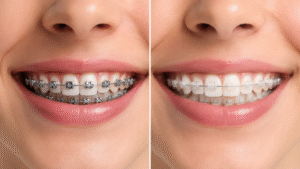
Orthodontic hardware has evolved far beyond traditional steel brackets. Today, patients can choose from an array of systems designed for varying levels of aesthetics, durability, and convenience. Naturally, the materials science and engineering required for each system directly dictate its price point.
Below is a clinical cost comparison across the primary orthodontic systems available in modern practice:
| Treatment System | Material & Engineering Base | Average Global Cost Range (USD) | Primary Aesthetic Profile |
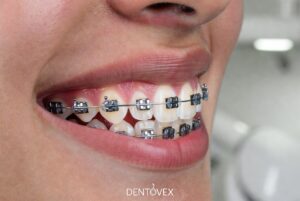
| Traditional Metal Braces | High-grade 316L Stainless Steel | $3,000 – $7,000 | Classic silver appearance; highly visible. |
| Clear / Ceramic Braces | Polycrystalline Alumina or Sapphire | $4,000 – $8,000 | Tooth-colored; highly discreet from a distance. |
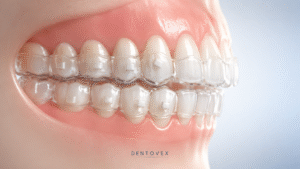
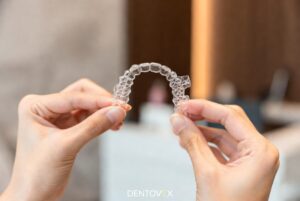
| Clear Aligners (Invisalign®) | Medical-Grade Thermoplastic Polymers | $3,500 – $8,000 | Nearly invisible; fully removable clear trays. |
| Lingual Braces | Custom-Cast Gold or Stainless Alloy | $8,000 – $13,000+ | Completely hidden behind the teeth (tongue-side). |
2. In-Depth Material & Clinical Cost Drivers
Understanding why one patient pays $3,500 while another pays $8,500 requires a closer look at the clinical and mechanical variables involved in orthodontic treatment. The overall cost of braces is never just about buying raw brackets and wires; it reflects a comprehensive medical service and biomechanical strategy.
1. Complexity of the Malocclusion
The primary factor influencing your treatment investment is the biological and structural complexity of your tooth positioning and jaw alignment:
- Class I Mild Crowding: Correcting minor rotational issues or closing small interdental gaps requires minimal tooth movement, fewer archwire progression steps, and shorter treatment durations (typically 6 to 12 months), keeping costs at the lower end of the spectrum.
- Class II or Class III Skeletal Bite Discrepancies: Correcting severe overbites, underbites, crossbites, or impacted canine teeth requires extensive biomechanical manipulation. These complex cases demand advanced auxiliary appliances like palatal expanders or bite turbos, longer active treatment windows (24 to 36+ months), and frequent clinical oversight, increasing the overall fee.
2. Materials Science and Manufacturing Customization
- Stock Stainless Steel Brackets: Traditional metal braces use prefabricated brackets mass-produced by leading braces manufacturers. Because they are produced in high volumes and fit standard tooth contours, their material overhead remains relatively low.
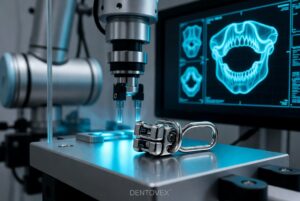
- Custom-Cast Lingual Braces: Lingual appliances are custom-manufactured for the unique interior morphology of each individual tooth using 3D CAD/CAM scanning and custom gold or alloy casting. This bespoke engineering makes them the most expensive fixed orthodontic appliance available.
- Proprietary Clear Aligners: Systems like invisalign clear aligners require proprietary 3D digital planning software (ClinCheck®), automated robotic thermoforming, and specialized multi-layer polymers (SmartTrack®), which incur higher lab manufacturing fees passed on to the clinic.
3. Duration of Active Treatment and Clinical Visits
Orthodontic treatment fees cover every clinical interaction over your active alignment phase. A patient requiring 30 clinical adjustments over two and a half years will naturally incur higher clinical overhead, staff time, and material consumption than a patient requiring 8 visits over nine months.
3. The Unseen Costs: What Else Is Included in Your Quote?
When reviewing a financial fee schedule or receiving a quote from an orthodontic office, it is critical to confirm whether the figure is an all-inclusive comprehensive fee or an itemized estimate.
A high-quality, transparent orthodontic quote should cover the following essential stages:
1.1. Comprehensive Diagnostic Workup:Diagnostics and Treatment Planning.
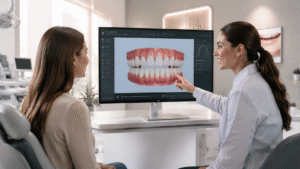
Initial diagnostic records include high-resolution digital panoramic and cephalometric X-rays, 3D intraoral optical impressions, diagnostic photography, and the specialist’s clinical case analysis and treatment design.
2.2. Active Hardware & Placement Procedure:Active Appliance Placement.
The physical bonding process of metal or transparent teeth braces, inclusion of initial Nickel-Titanium (NiTi) archwires, or the initial delivery of your full series of custom aligner trays.
3.3. Ongoing Adjustment & Progress Visits:Regular Adjustment Visits.
All routine monthly visits for wire changes, elastic ligature replacements, interproximal enamel reduction (IPR) if necessary, and ongoing monitoring of biological bone remodeling.
4.4. Appliance Removal & Enamel Restoration:Debonding and Polishing.
The careful debonding of brackets, removal of residual adhesive resin, and comprehensive tooth polishing to restore full enamel smoothness.
5.5. Long-Term Retention System:Retention Phase Delivery.
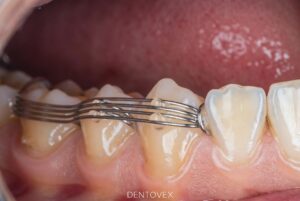
Fabrication and fitting of final post-treatment retention appliances such as clear invisalign vivera retainers or a custom bonded permanent retainer to lock your teeth into their new permanent positions.
Potential Hidden Fees to Inquire About
To avoid unexpected out-of-pocket expenses during treatment, always ask your provider if any of the following scenarios carry extra charges:
- Emergency Repairs: Replacing broken brackets or wires torn loose by hard foods.
- Lost Aligners or Retainers: Replacement fees for misplaced clear aligner trays or post-treatment retainers.
- Extended Treatment Fees: Additional monthly fees if treatment extends beyond the estimated timeframe due to non-compliance (e.g., failing to wear elastic rubber bands).
4. Comparing Treatment Alternatives: Braces vs. Clear Aligners
Patients evaluating the cost of braces frequently compare fixed appliances directly against clear aligner therapy. While their pricing ranges overlap significantly, their financial and clinical profiles differ.
+-----------------------------------------------------------------------------------+
|                        FINANCIAL & FUNCTIONAL COMPARISON                          |
+------------------------------------+----------------------------------------------+
| FIXED BRACES (METAL / CERAMIC)     | CLEAR ALIGNERS (INVISALIGN / SPARK)          |
+------------------------------------+----------------------------------------------+
| • Fixed hardware eliminates risk   | • Removable design allows unhindered         |
|   of lost appliances.              |   eating, brushing, and flossing.            |
|                                    |                                              |
| • Superior control for severe      | • High reliance on patient compliance;       |
|   rotations and deep overbites.    |   losing trays incurs replacement costs.    |
|                                    |                                              |
| • Predictable fee structure; no    | • Excellent aesthetic profile during         |
|   risk of tray replacement fees.   |   active treatment.                          |
+------------------------------------+----------------------------------------------+
For a detailed analysis of how clear ceramic brackets compare head-to-head with traditional stainless steel appliances, explore our guide on clear braces versus metal braces. Likewise, if you are treating a deep vertical overlap, read about the specialized mechanics of clear aligners for overbite.
5. Insurance, Financing, and Reducing Out-of-Pocket Expenses
Orthodontic treatment is a major financial commitment, but several strategies can significantly lower your direct out-of-pocket expenditure:
Dental Insurance Coverage
Many private dental health insurance plans include an Orthodontic Lifetime Maximum (OLM) benefit. Unlike annual dental benefits that reset every year, an orthodontic benefit is a set lifetime cap (typically between $1,000 and $3,000) that pays a percentage of the total treatment cost.
- Key Tip: Verify whether your policy covers adult orthodontics or limits coverage strictly to dependents under age 19.
Flexible Spending Accounts (FSA) & Health Savings Accounts (HSA)
Because orthodontic care is a qualified medical expense, you can use pre-tax dollars from your FSA or HSA to pay for treatment. Utilizing pre-tax funds can yield effective savings of 20% to 30% depending on your income tax bracket.
In-House Office Payment Plans
The vast majority of modern orthodontic practices offer interest-free flexible financing. Typically, this involves an initial down payment (e.g., $500 – $1,500) followed by manageable monthly payments spread across the estimated length of active treatment (e.g., $150 – $250/month over 18 to 24 months).
6. Long-Term Value: The Cost of Neglecting Orthodontic Care
When evaluating the cost of braces, it is equally important to consider the long-term oral health costs of leaving structural malocclusions untreated.
Uncorrected dental crowding and severe bite misalignments can lead to costly oral health complications over time:
- Accelerated Enamel Wear: Teeth that meet at unnatural angles suffer localized friction, leading to premature enamel fracturing, flattened cusps, and the eventual need for restorative crowns or veneers.
- Periodontal Disease & Bone Loss: Overcrowded, overlapping teeth create tight physical traps where plaque and tartar accumulate. Inability to thoroughly clean these areas increases the risk of localized gingivitis and periodontitis.
- Temporomandibular Joint (TMJ) Strain: Severe bite discrepancies such as an uncorrected open bite or crossbite place abnormal stress on the jaw joints, potentially causing chronic facial pain, headaches, and joint clicking.
Investing in corrective orthodontic care early restores structural equilibrium, making daily hygiene effortless and protecting your teeth from expensive restorative dental interventions decades down the road.
Conclusion: Making an Informed Decision for Your Smile
While the upfront cost of braces represents a significant financial consideration, the long-term biological, functional, and psychological benefits of a healthy, beautifully aligned smile far outweigh the initial investment.
Whether you opt for ultra-durable metal brackets, discreet clear ceramic hardware, or removable clear aligners, working closely with a certified orthodontic specialist ensures that your treatment plan is tailored perfectly to both your oral physiology and your budget.
To begin your transformation, schedule a comprehensive initial consultation with your orthodontic provider. By obtaining a personalized diagnostic assessment and a detailed financial breakdown, you can confidently choose the ideal treatment path to re-engineer your smile for a lifetime.
Disclaimer: Orthodontic treatment costs provided in this article reflect global average ranges and are intended for informational purposes only. Precise fees require a comprehensive diagnostic evaluation and personalized fee schedule from a licensed orthodontic specialist.
No responses yet