Orthodontic treatment does not end on the day your brackets are removed or when you finish your final clear aligner tray. In reality, the most critical phase of securing your new dental alignment is just beginning. This final stage is known in the dental field as the retention phase. Without proper retention protocols, teeth possess a strong biological tendency to shift back toward their original crooked positions. This process is known as orthodontic relapse.
At Dentovex, we emphasize to every patient that preserving a perfectly aligned smile requires a lifetime commitment to wearing orthodontic retainers. The bone and soft tissues surrounding your teeth need substantial time to stabilize after active movement stops. This comprehensive master guide explores the biomechanics of why teeth shift, evaluates the different retainer options available today, outlines exact daily hygiene protocols, and explains the long-term clinical expectations for keeping your smile flawless.
1. The Biomechanics of Orthodontic Relapse
To understand why retainers are a strict medical necessity, it is important to look at the cellular biology of your mouth. Teeth are not rigidly fused to your jawbone. Instead, they are suspended in their sockets by a highly elastic network of fibers called the periodontal ligament.
During active orthodontic treatment, steady pressure forces the bone on one side of the tooth to dissolve while new bone is deposited on the other side. Once your braces are removed, this newly formed bone is still relatively soft and immature. Furthermore, the elastic fibers of the periodontal ligament have memory. Like stretched rubber bands, these fibers constantly try to pull the teeth back to their initial twisted or crowded locations.
It takes approximately six to twelve months for the surrounding jawbone to fully calcify and for the periodontal ligaments to reorganize and relax into their new positions. Even after this initial stabilization period, natural aging and daily chewing forces cause teeth to shift slightly forward over decades. Wearing a retainer is the only clinically proven method to counteract these biological forces and lock your teeth in their optimal aesthetic and functional arrangement.
2. Exploring the Types of Orthodontic Retainers
Orthodontic retention is not a uniform solution. Depending on the complexity of your initial malocclusion, your lifestyle habits, and your anatomical bite structure, your orthodontist will prescribe a specific appliance. There are three primary categories of retainers utilized in modern orthodontics.
The Clear Plastic Retainer (Essix or Vivera)
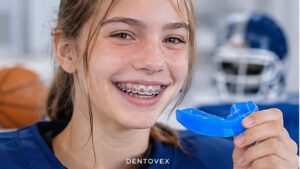
Clear thermoplastic retainers are currently the most popular choice among adult and teenage patients. These appliances look identical to clear aligners. They are custom thermoformed from a precise 3D digital scan of your newly straightened teeth. Because they completely encase the crowns of the teeth, they provide excellent grip and prevent any micro-movements. They are virtually invisible, making them highly desirable for daytime wear if prescribed.
The Traditional Wire and Acrylic Retainer (Hawley)
The Hawley retainer is the classic orthodontic appliance that has been used successfully for decades. It consists of a custom-molded acrylic base that sits against the roof of the mouth or along the lower tongue space, accompanied by a durable metal wire that wraps around the front of the teeth. While they are highly visible, Hawley retainers are extremely robust. They allow the upper and lower teeth to settle naturally into each other because they do not cover the biting surfaces. Additionally, orthodontists can slightly adjust the metal wire to perform minor tooth corrections if slight shifting has occurred.
The Fixed or Bonded Retainer (Permanent Wire)
Unlike removable options, a fixed retainer is permanently attached to your teeth. The orthodontist bonds a thin, braided metal wire to the back (lingual) surfaces of the lower or upper front teeth using dental composite resin. This type of retainer operates passively 24 hours a day without requiring any patient memory or discipline. Fixed retainers are highly recommended for patients who started with severe spacing or extreme lower front tooth crowding.
3. Clinical Comparison of Retainer Systems
Choosing the correct appliance involves balancing aesthetics, durability, and hygiene requirements. The table below outlines the functional differences between the three main retainer categories.
| Parameter | Clear Retainers (Essix) | Traditional Wire (Hawley) | Fixed Bonded Retainer |
| Aesthetics | Completely transparent and virtually invisible. | Visible metal wire across the front teeth. | Completely hidden behind the teeth. |
| Durability | Prone to cracking or wearing down over 1 to 3 years. | Highly durable; can last 5 to 10 years with care. | Long-lasting but composite glue may occasionally chip. |
| Oral Hygiene | Must be removed for brushing; easy to clean teeth. | Must be removed for brushing; easy to clean teeth. | Requires specialized floss threaders to clean underneath the wire. |
| Dietary Impact | Must be removed while eating or drinking hot liquids. | Must be removed while eating. | Patient can eat normally, though very hard foods should be avoided. |
| Compliance Need | Requires strict patient discipline to wear daily. | Requires strict patient discipline to wear daily. | Zero compliance needed; permanently attached. |
4. The Clinical Workflow for the Retention Phase
Transitioning from active treatment to the retention phase involves a highly precise sequence of clinical steps to ensure zero unwanted movement occurs during the appliance fabrication period.
1.1. Comprehensive Debonding and Enamel Polishing:
The orthodontist carefully removes all metal or ceramic brackets, composite attachments, and bonding glue. The enamel is then polished to a smooth, natural shine to remove any remaining adhesive residue.
2.2. High-Precision Digital Intraoral Scanning:
Immediately after the teeth are cleaned, a 3D digital intraoral scanner captures the exact final alignment of the dental arches. This digital impression is perfectly accurate and eliminates the need for uncomfortable traditional putty.
3.3. Appliance Fabrication in the Laboratory:
The digital files are sent to a specialized dental laboratory or an in-house 3D printing facility. If a clear retainer is prescribed, it is thermoformed over a 3D printed model of the patient’s teeth.
4.4. Appliance Delivery and Fit Verification:
The patient returns to the clinic, usually within 24 to 48 hours, to receive their new retainers. The orthodontist checks the seating, ensures there are no sharp edges irritating the gums, and verifies that the bite is comfortable.
5.5. Establishing the Wear Schedule:
The clinician provides a customized wear schedule. Most patients are instructed to wear their removable retainers full-time for the first three to six months, transitioning to nighttime-only wear thereafter.
5. Daily Care and Long-Term Maintenance Protocols
Orthodontic retainers sit inside a warm, moist environment filled with naturally occurring oral bacteria. Without rigorous daily maintenance, these appliances quickly accumulate white plaque, hardened tartar, and unpleasant odors. Proper care is essential to protect both the appliance and your underlying dental health.
When dealing with removable retainers (both clear and Hawley styles), you must clean them thoroughly every single time you brush your teeth. Use a soft-bristled toothbrush and lukewarm water to gently scrub the surfaces. It is critical to avoid hot water because high temperatures will permanently warp and melt the thermoplastic material of clear retainers. Furthermore, abrasive whitening toothpastes should not be used on clear plastic because they create microscopic scratches that harbor bacteria and cause the plastic to look cloudy over time.
For optimal hygiene, patients should soak their retainers in specialized effervescent cleaning tablets formulated specifically for orthodontic appliances. Soaking the trays for 15 minutes a day breaks down invisible bacterial biofilms and keeps the material fresh.
If you have a fixed bonded wire retainer, daily flossing is an absolute medical requirement. Because the wire blocks standard flossing techniques, you must use a floss threader or a specialized orthodontic flosser to pass the string under the wire and clean between the teeth. Failure to clean this area leads to rapid tartar buildup, gum inflammation, and eventual periodontal bone loss.
6. Understanding Replacement Timelines and Financial Investment
No orthodontic retainer is designed to last forever. The longevity of your appliance depends heavily on your habits. Patients who suffer from bruxism (nighttime teeth grinding) will wear through the biting surfaces of clear Essix retainers much faster than average. Generally, clear plastic retainers need to be replaced every 12 to 24 months as the material naturally loses its elasticity and structural rigidity. Hawley retainers can often last five to ten years if they are not lost or accidentally stepped on.
Financial planning for retention is a standard part of your initial orthodontic contract. However, replacing lost or worn-out retainers incurs additional laboratory and clinical fees. We strongly advise our patients to keep their retainers safely stored in a hard plastic protective case whenever they are not inside the mouth. Wrapping a retainer in a paper napkin during a meal is the most common way these expensive appliances end up accidentally thrown in the trash.
Conclusion: A Lifetime Commitment to Your Smile
Completing your active orthodontic phase is a massive achievement, but securing that investment requires dedication to the retention phase. The biological forces attempting to shift your teeth are persistent and lifelong. By selecting the appropriate retainer system, adhering to the prescribed wear schedule, and maintaining excellent appliance hygiene, you guarantee that your beautiful, healthy smile remains perfectly aligned for decades to come.
Medical Disclaimer:
The content provided in this article is for informational and educational purposes only and does not constitute professional medical or dental advice, diagnosis, or treatment. Always seek the advice of a qualified dentist, orthodontist, or other authorized healthcare provider regarding any medical condition or treatment plan. Never disregard professional medical advice or delay seeking it because of something you have read on the Dentovex blog.
No responses yet