Protecting Your Orthodontic Investment The day your braces come off or your final clear aligner tray is completed marks a massive milestone in your orthodontic journey. However, removing the active hardware is not the end of treatment—it is the transition into the most critical phase: retention.
Teeth are not set in solid concrete; they are anchored within dynamic alveolar bone by elastic periodontal ligament (PDL) fibers. Without continuous stabilization, the natural physiological tendency of teeth to drift back toward their original pre-treatment positions—a phenomenon known as orthodontic relapse—is almost guaranteed.
Orthodontic retainers are custom-engineered medical appliances designed to hold your teeth in their newly aligned positions while the surrounding bone remodels and stabilizes.
At Dentovex, we emphasize that retention is a lifelong commitment. In this master guide, we deconstruct the biological mechanics of relapse, evaluate the three primary types of retainers (Essix clear aligner style, traditional Hawley, and fixed bonded wires), outline a precise hygiene protocol, and provide clear guidelines on replacement schedules.
1. The Biology of Orthodontic Relapse: Why Teeth Move
To understand why retainers are non-negotiable, we must examine the microscopic changes occurring around the roots of your teeth immediately following active orthodontic movement:
- PDL Elastic Memory: The principal fibers of the periodontal ligament stretch during active tooth movement. Once force is removed, these elastic fibers act like stretched rubber bands, pulling the teeth back toward their former locations.
- Bone Remodeling Lag: While osteoclasts break down bone during active movement, new bone matrix deposited by osteoblasts takes between 8 to 12 months to fully mineralize and solidify around the tooth roots.
- Late Mandibular Growth: Natural aging and subtle continuous growth of the lower jaw can cause late-stage crowding, particularly in the lower front teeth, regardless of whether a patient had orthodontic treatment.
2. Comparing the 3 Primary Types of Retainers
Orthodontists utilize three main types of retainers based on the patient’s original malocclusion, compliance capacity, and aesthetic preferences.
| Feature / Type | Essix (Clear Vacuum-Formed) | Hawley (Traditional Wire & Acrylic) | Fixed Bonded (Lingual Wire) |
|---|---|---|---|
| Material | Medical-grade clear thermoplastic | Acrylic palate/lingual plate & stainless steel wire | Multistrand braided stainless steel wire |
| Aesthetics | Nearly invisible | Visible metal bow across front teeth | Completely hidden behind teeth |
| Removability | Removable | Removable | Permanent (bonded to teeth) |
| Bite Settling | Holds teeth rigidly in place | Allows teeth to settle naturally into occlusion | Protects front teeth only |
| Durability | 1 to 3 years (subject to wear/grinding) | 5 to 10+ years | 5 to 10+ years (requires monitoring) |
| Hygiene Impact | Easy brushing; must keep retainer clean | Easy brushing; clean appliance separately | Requires floss threaders or water flossers |
3. Deep Dive into Retainer Mechanics
1. Clear Thermoplastic Retainers (Essix)
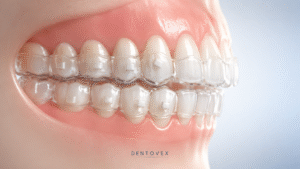
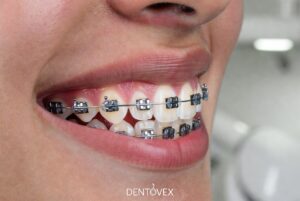
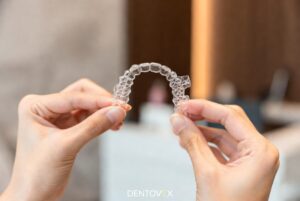
Formed using precision vacuum or pressure-molding technology over a digital 3D model of your teeth, Essix retainers enclose the full clinical crowns. They are the most popular choice for patients who prioritized aesthetics during treatment with invisalign clear aligners or transparent teeth braces.
2. Hawley Retainers
The time-tested gold standard in retention. Featuring an acrylic base that sits against the palate or floor of the mouth and a stainless steel labial bow, Hawley retainers allow minor wire adjustments by the orthodontist post-treatment to fine-tune tooth positions if slight shifts occur.
3. Fixed Lingual Bonded Wires
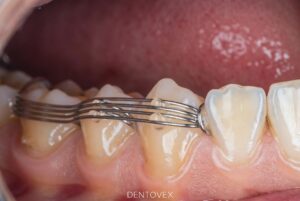
A thin, custom-bent wire glued directly to the inside surface (lingual side) of the front six teeth (canine to canine). This option provides continuous, non-compliant protection against relapse in high-risk areas, especially the lower anterior teeth.
4. The Retainer Care & Hygiene Protocol
Improper care can damage your retainer or lead to bacterial accumulation, plaque buildup, and unpleasant odors. Follow this structured daily routine to keep your appliance in optimal condition:
1. Cold Water Rinse
Rinse immediately upon removal
1.1. Cold Water Rinse:Rinse immediately upon removal.
Always rinse your clear or Hawley retainer with cool or lukewarm water as soon as you remove it from your mouth. Never use hot or boiling water, as high temperatures warp thermoplastic materials and ruin the custom fit.
2. Gentle Mechanical Cleaning
Daily plaque removal
2.2. Gentle Mechanical Cleaning:Daily plaque removal.
Clean your retainer daily using a soft-bristled toothbrush and non-abrasive liquid soap or specialized retainer foam. Avoid standard toothpaste, as abrasive silica particles micro-scratch clear plastic, creating microscopic traps for bacteria.
3. Weekly Effervescent Soaks
Deep cleaning protocol
3.3. Weekly Effervescent Soaks:Deep cleaning protocol.
Soak your retainer once or twice a week in a specialized orthodontic cleansing tablet solution for 15 minutes to dissolve calcified tartar and eliminate odor-causing bacteria.
4. Always Store in a Case
Physical protection
4.4. Always Store in a Case:Physical protection.
When not wearing your retainer, place it immediately in its protective ventilated case. Wrapping retainers in napkins or tissues is the leading cause of accidental loss at meal times.
5. Floss Threader Routine for Fixed Wires
Fixed wire maintenance
5.5. Floss Threader Routine for Fixed Wires:Fixed wire maintenance.
If you have a fixed bonded retainer, use floss threaders or an interdental brush daily to clean beneath the wire and around the composite bonding pads to prevent calculus accumulation.
5. Wear Schedule and Managing Relapse
Standard Wear Schedule
- Months 1 to 6: Full-time wear (20–22 hours per day), removing only for eating, drinking non-water beverages, and oral hygiene.
- Months 6 to 12: Transition to night-only wear if bone density and alignment stability are confirmed by your orthodontist.
- Year 2 and Beyond: Lifetime night-wear routine (3–5 nights per week minimum) to counteract natural age-related dental crowding.
What to Do If Your Retainer Feels Tight
If your retainer feels tight after leaving it out for a few days, minor relapse has begun. Wear the retainer full-time for several days to nudge the teeth back into alignment. If the retainer does not seat fully or causes severe pain, do not force it—contact your orthodontist immediately for an evaluation or a replacement scan.
Conclusion: Retaining Your Perfect Smile for Life Achieving a healthy, functional bite required time, expertise, and commitment. Protecting that result requires a proactive retention strategy. By selecting the right retainer type for your lifestyle, adhering to a strict wear schedule, and maintaining rigorous hygiene, you safeguard your smile against biological relapse for decades to come.
Disclaimer: Retention protocols vary based on individual periodontal health and original malocclusion complexity. Always consult your orthodontist for a personalized retention plan.
No responses yet