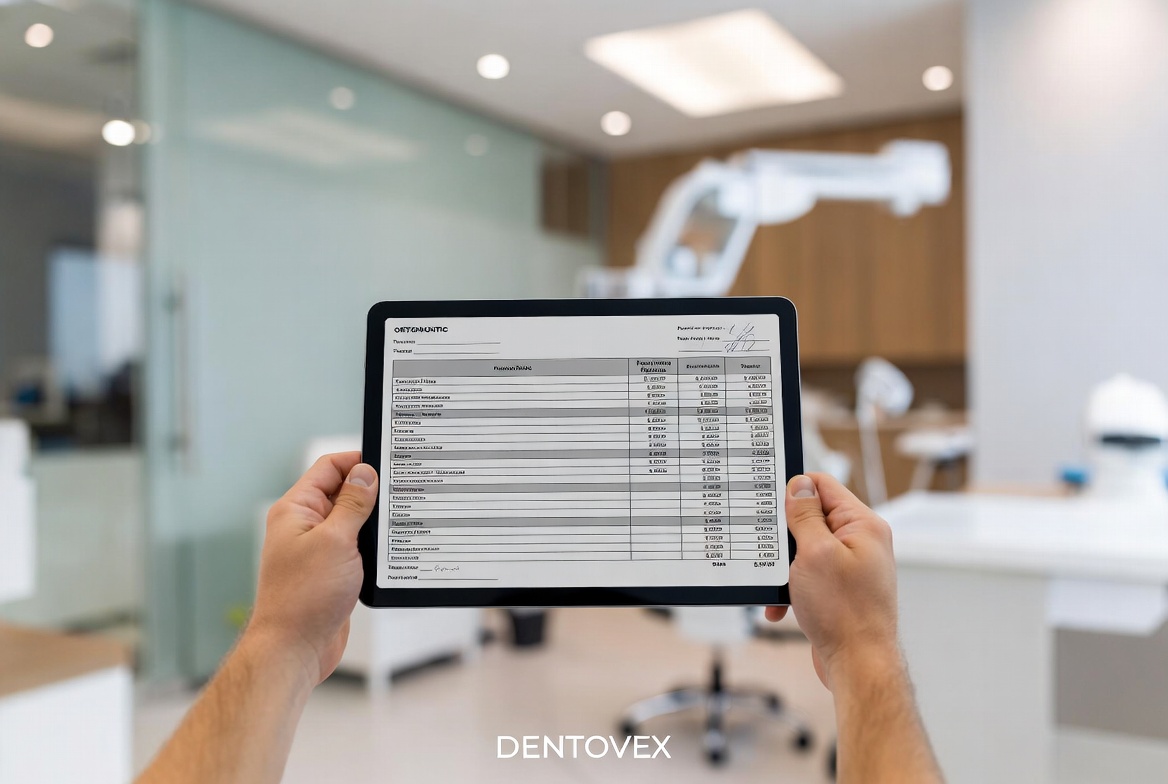
The Investment of a Lifetime Let’s talk about money. When you walk into an orthodontic consultation, the first thing on your mind—after “Will this hurt?”—is usually “How much is this going to cost?” The price tags for braces or clear aligners can feel like a guessing game. Some clinics offer “all-inclusive” packages, while others seem to have an endless list of extra fees for every wire change, scan, or retainer.
At Dentovex, we believe you shouldn’t need a financial degree to understand your treatment plan. Orthodontics is an investment in your health, your confidence, and your long-term dental function. But it is also a significant commitment. In this guide, we are peeling back the curtain on the 2026 orthodontic pricing landscape to help you plan your budget, decode your insurance, and ensure you never get hit with a “surprise” bill.
1. The Anatomy of an Orthodontic Quote
When a clinic gives you a quote, what exactly are you paying for? It isn’t just the plastic trays or the metal brackets. You are paying for the doctor’s diagnostic expertise, the digital planning software, the chair time, and the follow-up care.
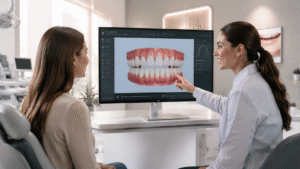
- Diagnostic Phase: This covers your initial CBCT scans, 3D digital impressions (iTero/Scan), and the clinical treatment planning time. Never choose a clinic that offers “free” diagnostics without a full clinical exam—this is often a marketing tactic to get you in the door for a high-pressure sales pitch.
- The “Active” Phase: This covers the materials (brackets, wires, or aligners) and the adjustments.
- The “Retention” Phase: Many people forget this! The cost of your final retainers (both the fixed wire and the removable trays) should be included in your initial quote. If they aren’t, ask why.
2. Why Are Prices So Different?
You’ll notice that Clinic A might quote you $4,000, while Clinic B quotes $7,000. Why the gap?
- Technology Level: A clinic using 3D AI-driven remote monitoring apps and high-end CBCT imaging will naturally have higher overhead costs than a practice using traditional film-based X-rays.
- Case Complexity: If your case involves jaw surgery (orthognathic) or impacted teeth, the fee will be higher due to the multidisciplinary nature of the work.
- Geographic Reality: Like any service, orthodontic fees are adjusted to the local economy. However, beware of “too good to be true” prices—often, these clinics lower the cost by limiting the number of adjustment visits included in your contract.
3. Decoding Your Dental Insurance
Insurance in 2026 is a maze. Most plans have an “Orthodontic Lifetime Maximum,” which means they will pay up to a certain dollar amount (e.g., $1,500–$2,500) regardless of the total cost of the treatment.
- The “Child vs. Adult” Trap: Many insurance plans only cover orthodontic work for patients under 18. If you are an adult, you may need to look into a separate “orthodontic rider” or a specialized dental savings plan.
- Ask the Financial Coordinator: Don’t just ask “Does my insurance cover this?” Instead, ask: “What is my lifetime orthodontic maximum, and does my plan cover both braces and clear aligners equally?”
4. Avoiding the “Hidden Fee” Shock
To ensure you aren’t hit with unexpected bills, keep this checklist handy before you sign any contract:
- Emergency Visits: Are “emergency” appointments (like a poking wire) charged separately? A quality practice usually includes these in the total fee.
- Refinements: If you are using clear aligners and you need an extra set of trays at the end to get that perfect finish, are those “refinement” trays included?
- Lost/Broken Retainers: Ask what the policy is if you lose your retainers two years from now. Many offices will offer a “replacement discount” for patients of record.
- Professional Cleaning: Some offices require you to maintain a professional dental cleaning schedule (every 6 months) as part of your treatment contract. Make sure you understand this.
5. Financing: The 2026 Way
You don’t have to pay the full amount upfront. In 2026, most orthodontic practices offer flexible, interest-free payment plans.
- In-House Financing: Many offices split the total cost into a down payment and monthly installments over the course of the treatment.
- Third-Party Financing: Apps and services specifically for healthcare financing allow you to spread the cost over several years, often with very low or zero interest if paid on time.
Conclusion: Invest in Certainty The cheapest quote is not always the best value. Orthodontic treatment is a medical procedure, and you want to be treated by a clinician who values quality over speed and transparency over volume. Before you sign on the dotted line, make sure you understand exactly what you are paying for, what is covered by insurance, and what your monthly commitment will look like. Your smile is worth it, but your peace of mind is just as valuable.


No responses yet