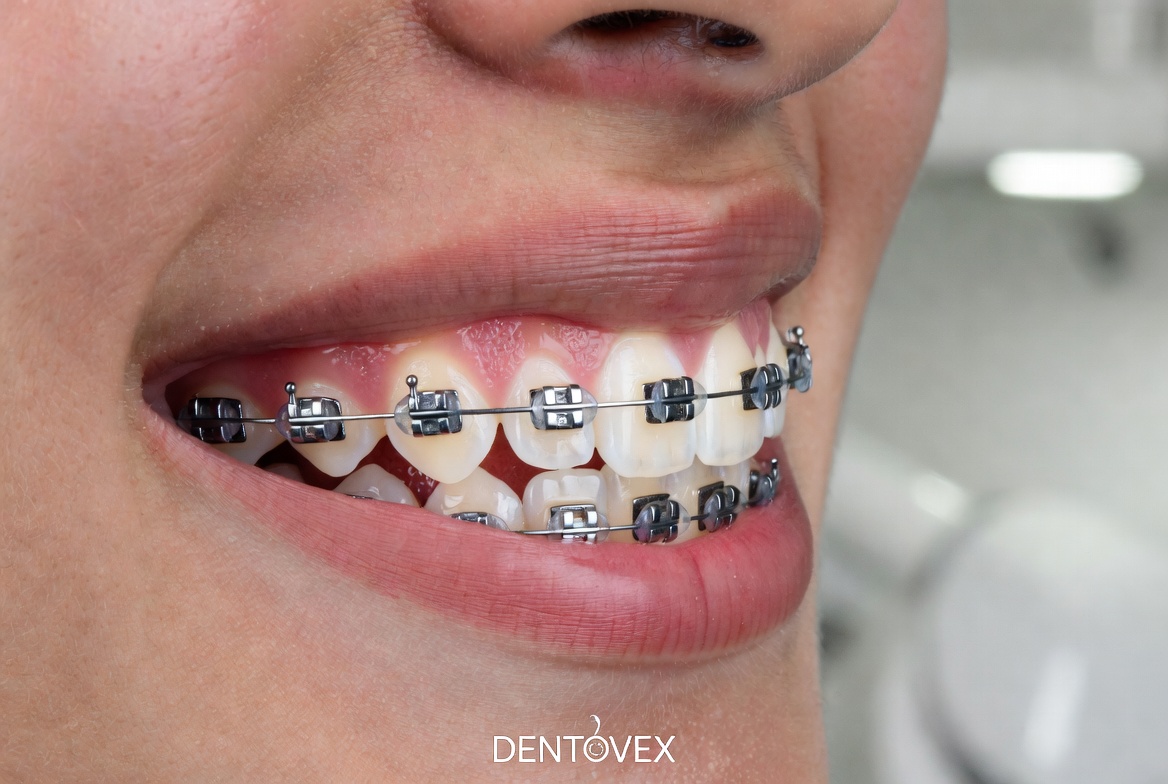
The Quest for Discretion in Smile Design
The desire to correct a malocclusion, close a gaps, or resolve dental crowding is rarely accompanied by a desire to wear highly visible metal hardware. For decades, adult patients and self-conscious teens shared a common reservation: they wanted the clinical benefits of teeth alignment but were deeply hesitant to compromise their professional or social aesthetics during the active phase of treatment.
The orthodontic industry responded with a massive wave of materials science innovation, introducing what are collectively known as transparent teeth braces.
Today, patients seeking a discreet smile transformation are no longer limited to a single option. “Transparent braces” actually encompass several highly distinct orthodontic technologies—ranging from physical clear brackets bonded to the teeth to completely removable, custom-molded aligner trays.
At Dentovex, we understand that selecting the right aesthetic appliance can feel overwhelming. You may be wondering: What is the structural difference between ceramic and sapphire brackets? Do clear braces stain over time? Are removable clear trays as effective as fixed transparent brackets? How do the materials sciences behind these systems compare?
In this master clinical guide, we will unpack the engineering behind transparent teeth braces, analyze the biological mechanisms of ceramic and sapphire systems, compare them directly to clear aligners, outline essential maintenance protocols, and help you select the ultimate aesthetic solution for your unique lifestyle and dental anatomy.
1. Defining Transparent Teeth Braces: The Aesthetic Spectrum
To make an informed decision, it is essential to understand that “transparent teeth braces” is an umbrella term representing two primary clinical categories: Fixed Transparent Braces and Removable Transparent Aligners.
                             [Transparent Teeth Braces]
                                         │
                    ┌────────────────────┴────────────────────┐
                    ▼                                         ▼
       [Fixed Aesthetic Braces]                  [Removable Clear Aligners]
        - Polycrystalline Ceramic                 - SmartTrack Polyurethane
        - Monocrystalline Sapphire                - Custom 3D Printed Trays
While both categories are engineered to be as visually unobtrusive as possible, they rely on entirely different mechanical principles, materials sciences, and daily wear requirements to remodel your supporting alveolar bone.
2. Fixed Transparent Braces: Ceramic vs. Monocrystalline Sapphire
If your malocclusion requires the continuous, three-dimensional physical force vectors that only a fixed bracket-and-wire system can deliver, your orthodontist will direct you toward aesthetic fixed braces.
These are designed to mimic the structural strength of stainless steel while blending seamlessly with your natural teeth. Within this category, leading braces manufacturers utilize two primary crystalline structures:
A. Polycrystalline Ceramic Brackets
Most standard clear braces are fabricated from polycrystalline alumina. During manufacturing, microscopic aluminum oxide crystals are fused together under intense heat and pressure.
- Aesthetic Profile: These brackets are semi-translucent and possess a matte, tooth-colored appearance. They are engineered to mimic the natural opacity of human dentin and enamel, making them exceptionally discreet on patients with warmer, natural white tooth shades.
- Mechanical Integrity: While incredibly strong under compressive forces, polycrystalline ceramic is slightly more brittle than metal. To prevent brackets from fracturing during treatment, manufacturers design them with slightly rounder, thicker profiles to distribute forces evenly.
B. Monocrystalline Sapphire Brackets
Monocrystalline brackets represent the absolute pinnacle of luxury aesthetics in fixed orthodontics. Instead of fusing multiple crystals together, each bracket is carved from a single, continuous synthetic sapphire crystal.
- Aesthetic Profile: Because they consist of a single crystal structure, sapphire brackets are 100% crystal-clear. They do not merely mimic tooth color; they allow your natural tooth shade to shine directly through the bracket. This makes them virtually invisible on all teeth, regardless of how light or dark your natural enamel is.
- Stain Resistance: Sapphire possesses an ultra-smooth, high-gloss surface that is highly resistant to micro-scratching. This prevents microscopic food pigments from clinging to the bracket, ensuring they remain perfectly clear from day one until your debonding appointment.
3. The Transparent Wire Illusion
When patients opt for fixed transparent teeth braces, they often ask: Will a dark metal wire run across my clear brackets?
To preserve the aesthetic profile of clear brackets, orthodontists utilize specialized aesthetic archwires:
- Coated Stainless Steel or NiTi Wires: Traditional metallic archwires are coated with an ultra-thin, medical-grade layer of white polymer, tooth-colored epoxy, or plastic. This effectively camouflages the metal wire against your teeth.
- The Trade-Off: While highly aesthetic initially, these white coatings can occasionally flake or peel over time due to the friction of chewing. Your orthodontist will simply replace them with fresh, clean coated wires during your routine adjustment visits.
4. Removable Transparent Aligners: The Ultimate Invisible Solution
For patients who want to bypass fixed brackets and wires entirely, modern clear aligner systems represent the modern standard of wireless orthodontics.
Systems like invisalign clear aligners utilize a sequence of 100% transparent, removable plastic trays that fit snugly over your dental arches like an invisible second skin.
Materials Science of Aligners
These aligner trays are fabricated from highly advanced, medical-grade polyurethane polymers. Rather than sitting passively on your teeth, the elastic properties of the plastic deliver a low-intensity, continuous force to guide your teeth into place.
The Clear Advantage
Because there are no brackets to bond or wires to thread, clear aligners offer unmatched lifestyle flexibility. You can pop them out to eat your favorite foods, brush and floss normally, and attend important social or professional events with absolute confidence. However, they rely 100% on patient compliance—if you do not wear them for the required 22 hours a day, your teeth will not align.
5. Head-to-Head: Fixed Transparent Braces vs. Clear Aligners
To help you determine which transparent teeth braces option aligns with your clinical needs and daily habits, let’s compare their key parameters:
| Performance Metric | Fixed Ceramic/Sapphire Braces | Removable Clear Aligners |
| Aesthetic Discretion | Very High. Brackets are tooth-colored or clear, but a thin archwire is still visible up close. | Excellent. The clear plastic tray is virtually invisible even during close-up conversations. |
| Wear Protocol | 24/7 Fixed. Active force is applied constantly without requiring any patient memory or compliance. | 22 Hours/Day. Must be manually removed for meals and cleaning, requiring high self-discipline. |
| Dietary Restrictions | Required. Must avoid extremely hard, crunchy, or sticky foods that can shear the ceramic brackets off. | None. Trays are completely removed during eating, allowing you to enjoy any food you like. |
| Speech Adaptability | Instant. Fits on the front surfaces of teeth, causing zero disruption to your natural pronunciation. | Short Transition. May cause a very mild, temporary lisp for the first 48 hours as your tongue adapts. |
| Staining Vulnerability | Brackets do not stain, but the clear elastic ties holding the wire can discolor from coffee or curry. | Trays are removed during meals, but can yellow if you drink colored beverages with them in. |
6. Preserving the Aesthetics: Crucial Maintenance Protocols
The primary reason you choose transparent teeth braces is for their discreet appearance. However, maintaining that flawless, clear look requires a dedicated daily hygiene routine. If you neglect your oral care, plaque biofilm and food stains will quickly turn your beautiful clear appliances yellow or cloudy.
How to Prevent Staining on Fixed Clear Braces
If you have ceramic or sapphire brackets, the brackets themselves are highly resistant to staining. However, the small elastic bands (ligatures) used to tie the wire to the brackets can absorb food pigments over time.
- Limit Staining Foods: Minimize your intake of highly pigmented foods and drinks, such as black coffee, red wine, turmeric, curry, mustard, and dark berries.
- Rinse or Brush Immediately: If you do consume staining foods, rinse your mouth vigorously with water immediately after, or brush your teeth to clear away pigments before they bind to the elastic ties.
- Rely on Adjustment Days: Remember that your orthodontist will change your elastic ligatures at every routine adjustment visit (usually every 4 to 6 weeks), instantly restoring your braces to a fresh, clean, and crystal-clear state.
How to Maintain Removable Clear Aligners
To keep your transparent aligners clean, odor-free, and perfectly clear, follow this simple daily protocol:
1.Rinse the Trays Immediately:Cool water only.
Whenever you remove your aligners to eat, rinse them immediately under cool or lukewarm tap water to wash away saliva and prevent it from drying into a cloudy film.
2.Brush with a Soft-Bristled Brush:Avoid abrasive pastes.
Clean the interior and exterior of the trays daily using a soft-bristled toothbrush and a tiny drop of clear, non-abrasive liquid soap. Do not use whitening toothpastes, as they contain micro-abrasives that will scratch the plastic, making it look dull and cloudy.
3.Sanitize in a Retainer Cleaner:Blast away buildup.
Once a day, soak your aligners in a specialized cleaning crystal solution or a non-acidic retainer tablet for 15 minutes. This breaks down stubborn bacterial biofilm and keeps the polymer smelling fresh.
4.Always Store in Their Protective Case:Safe storage.
Never wrap your transparent aligners in a paper napkin when eating; they are easily mistaken for trash and thrown away. Always place them directly into their protective storage case.
7. The Post-Treatment Phase: Locking in Your Results
Once your transparent teeth braces have successfully guided your teeth into a balanced, harmonious alignment, you must transition immediately into the retention phase to prevent orthodontic relapse.
To preserve your aesthetic results without introducing visible wires:
- Clear Removable Retainers: Your orthodontist can fabricate premium Invisalign Vivera retainers. These transparent, dual-arch trays are worn exclusively during sleep, keeping your teeth perfectly stabilized without anyone knowing.
- Invisible Fixed Defense: For continuous, 24/7 protection against lower front teeth crowding, your specialist may bond a highly discreet permanent retainer wire completely hidden on the tongue-side of your teeth.
Re-Engineering Your Smile with Confidence
Correcting your bite no longer requires you to compromise your daily professional or personal confidence. Whether you opt for the continuous mechanical control of monocrystalline sapphire brackets, the subtle opacity of polycrystalline ceramics, or the absolute freedom of removable clear aligner trays, transparent teeth braces offer a highly predictable, clinically proven, and visually stunning pathway to a healthy smile.
Your journey to enhanced oral health and flawless bite mechanics begins with a formal clinical conversation. Schedule a comprehensive consultation at your next orthodontist appointment. By analyzing your unique dental anatomy and aesthetic goals, your orthodontic specialist will help you select the ultimate transparent solution to re-engineer your smile with absolute discretion and lasting success.
Disclaimer: The suitability of clear ceramic brackets, sapphire braces, or removable clear aligners depends entirely on the complexity of your malocclusion, jaw relationship, and bone biology. Always consult with a licensed orthodontic specialist to determine the safest and most efficient appliance for your personalized dental care.

No responses yet