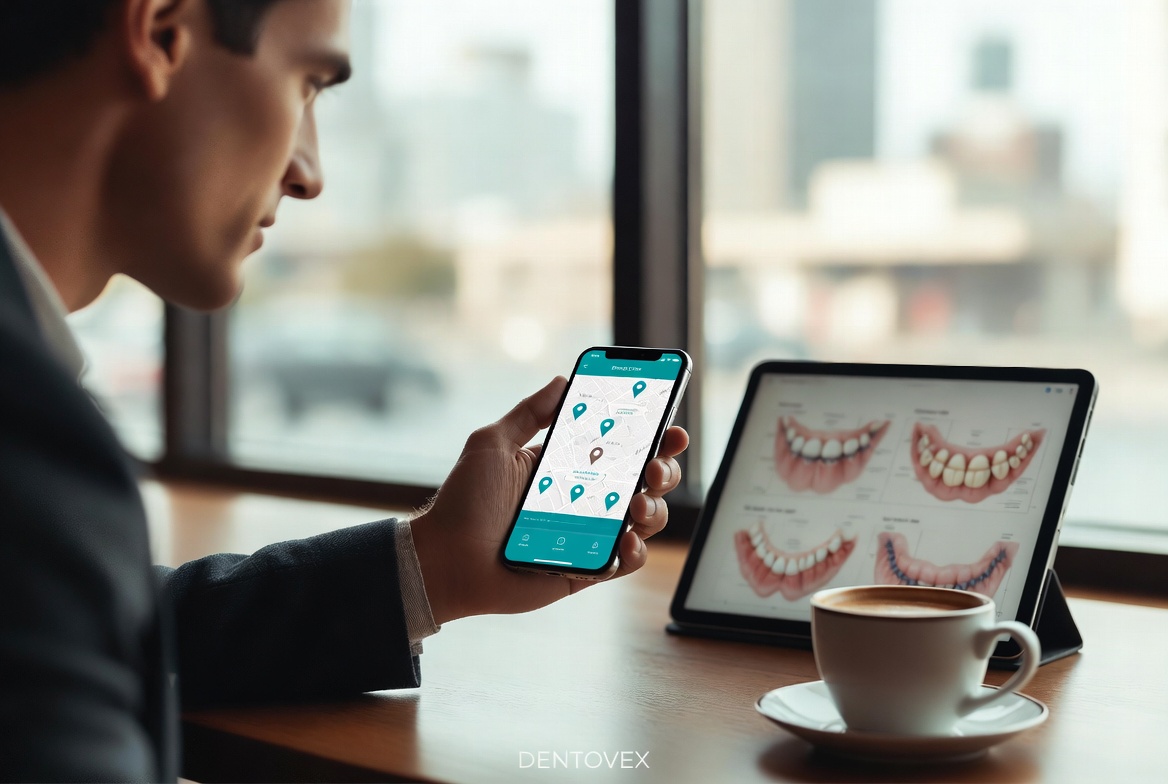
The Proximity Paradox The moment you decide to invest in your smile, the first reaction is almost universal. You open a search engine, type in “braces near me,” and hit enter. Instantly, you are flooded with dozens of local map pins, paid advertisements, and competing dental clinics all vying for your attention.
However, picking the professional who will safely remodel your jawbone and teeth shouldn’t be as casual as choosing a nearby dry cleaner. While proximity is an incredibly important logistics factor in a treatment that takes 12 to 24 months, it shouldn’t be the only factor. At Dentovex, we want to change how you filter your local dental choices. In this guide, we will break down the structural checklist you need to apply to your local search results to ensure you find a top-tier orthodontic specialist right in your neighborhood.
1. Why Proximity Actually Matters in Orthodontics
It’s easy to think, “I’ll just drive an hour to the cheapest clinic.” But orthodontics is fundamentally different from general cosmetic treatments like veneers or bonding. It is a long-term process with built-in maintenance demands.
- Routine Adjustments: Whether you have traditional metal tracks or modern clear aligners, you will need to visit your local clinic every 4 to 12 weeks. Long commute times quickly lead to skipped appointments, which directly stalls your biological progress and extends your treatment timeline.
- The Emergency Factor: Poking archwires, loose brackets, or lost aligners happen. When you experience an orthodontic emergency, having a trusted specialist located near your home or office makes a high-stress situation a quick, 10-minute fix.
2. The Specialist Filter: Orthodontist vs. General Dentist
When searching for “braces near me,” many results will point to general dental practices that offer orthodontic options on the side. It is crucial to understand the clinical distinction:
| Feature | General Dentist | Orthodontic Specialist |
|---|---|---|
| Basic Training | 4-5 Years of Dental School | 4-5 Years of Dental School |
| Residency | None required for general care | 3+ Years of exclusive orthodontic training |
| Focus Area | Fillings, crowns, gum health, cleanings | Craniofacial growth, jaw mechanics, alignment |
| Appliance Scope | Often limited to basic clear aligner cases | Full range (Metal, Ceramic, Lingual, TADs, Surgery) |
Always verify that the clinical lead at your chosen neighborhood office is a board-certified orthodontic specialist who dedicated their postgraduate education entirely to the physics of moving teeth.
3. The 2026 Evaluation Checklist
When you narrow down your local map search to 2 or 3 clinics, schedule an initial consultation and grade them against these modern benchmarks:
A. Advanced Diagnostic Infrastructure
Does the clinic use traditional, flat X-rays, or have they integrated modern 3D diagnostic suites? A premium local office should feature low-radiation digital CBCT scanning and high-speed intraoral scanners (like iTero) to model your bite digitally before any hardware touches your mouth.
B. Remote Tracking Capabilities
In 2026, premium orthodontia services minimize unnecessary travel. Ask the local clinic if they offer AI-driven remote monitoring apps. This technology allows you to scan your teeth at home via your smartphone, meaning your local specialist checks your progress weekly, reducing the physical office visits you have to make.
C. Comprehensive In-House Financing
Orthodontic care is an investment. High-quality local practices will offer transparent, itemized quotes detailing your diagnostic phase, active treatment, and retention plan. Look for offices that provide flexible, in-house, interest-free payment plans to split the cost across your active treatment months.
4. Red Flags to Avoid in Local Search Results
- The “Too Cheap to Be True” Package: If a local clinic quotes a flat rate that is vastly lower than the local market average, ask if it includes your final retainers, emergency appointments, or refinement trays. Often, these are added later as hidden fees.
- High-Pressure Sales Tactic: If a consultation feels more like a car dealership than a medical office—pushing you to sign a contract on Day 1 before a thorough clinical evaluation of your root health—walk away.
- Unusually Packed Waiting Rooms: While a busy clinic indicates popularity, a consistently overflowing lobby often signifies a high-volume “assembly line” practice where you will receive very little direct face-time with the actual doctor.
Conclusion: Make the Smart Neighborhood Choice Typing “braces near me” is the perfect starting point for your smile transformation, but let it be just that—a starting point. Use the local proximity to your advantage to visit clinics, interview the specialists, inspect their digital infrastructure, and gauge their financial transparency. Finding a clinic that respects your time, utilizes modern remote tracking, and prioritizes the long-term biological stability of your bite is the ultimate win-win. Your perfect smile is out there, and chances are, it’s closer than you think.
Disclaimer: This checklist is intended to guide your research process. Orthodontic treatment plans can only be accurately formulated following an in-person clinical examination and formal diagnostic radiograph review by a licensed professional.
No responses yet