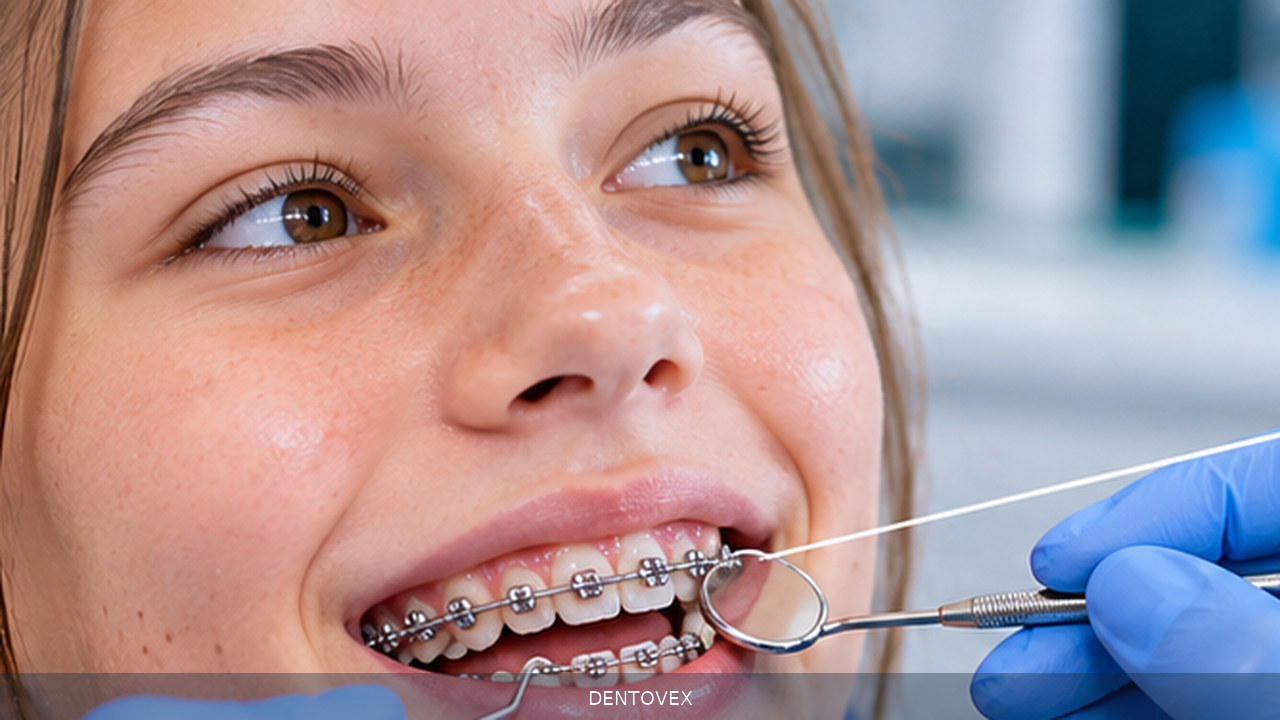
Many people can continue orthodontic treatment during pregnancy, and pregnancy does not automatically make dental care unsafe. Whether to start elective orthodontic treatment is an individual planning decision involving your orthodontist, dentist and prenatal care team. Dental X-rays, when clinically justified, can be performed during pregnancy; they are not categorically banned in the first trimester. Pregnancy-related gum inflammation, nausea and appointment comfort may change the treatment plan. Do not stop treatment or medications on the basis of a blog post.
If you are pregnant and already wearing braces, you may wonder whether adjustments can continue. If you are thinking about starting braces, you may be unsure whether diagnostic images or dental visits are safe. Online advice often mixes three different questions: whether routine dental care is safe, whether an elective orthodontic plan is worth starting now, and which procedures need special discussion. Those questions should not be answered with a single rule.
The American Dental Association’s pregnancy guidance states that preventive, diagnostic and restorative dental care is safe throughout pregnancy. Orthodontic treatment adds scheduling, comfort and appliance-management considerations that should be individualized.
Can you keep wearing braces while pregnant?
Usually, pregnancy alone is not a reason to abandon an existing orthodontic plan. Routine wire checks, monitoring and hygiene counseling can often continue. Tell the orthodontic team promptly that you are pregnant, how far along you are, and whether your obstetric clinician has identified any special concerns.
An orthodontist may adjust appointment timing, treatment goals or positioning for comfort. This does not mean the braces are dangerous; it means a long treatment plan can accommodate changes in health and daily life. If severe nausea makes cleaning difficult or gum disease is active, the dental team may first focus on controlling those problems.
Do not remove brackets, stop wearing elastics or change aligner schedules on your own. A clinician can explain what happens if a visit must be delayed and how to maintain a safe treatment plan.
Is it safe to start braces during pregnancy?
Starting treatment is more discretionary than treating an infection or painful dental problem. A person with healthy gums, a clear diagnosis and an uncomplicated pregnancy may be able to proceed after a coordinated discussion. Another person may reasonably choose to wait until after delivery because of nausea, travel, finances, a complex imaging plan or other medical needs.
The choice is not governed by a universal rule that all orthodontics must wait until the second trimester. Orthodontic treatment is usually elective, so the balance between convenience, urgency and clinical benefit differs from person to person. Ask the orthodontist what records are required, whether existing images can be used, and which steps can safely be postponed without compromising care.
For an overview of the questions commonly asked at a consultation, see Dentovex’s first orthodontist appointment guide.
Dental X-rays during pregnancy: what current guidance says
This topic deserves special attention because older websites still repeat blanket restrictions. The ADA explains that dental radiographs are considered safe at any stage of pregnancy when indicated for care. Clinicians should justify each image, avoid unnecessary repeats and use appropriate dose-reduction techniques. The ADA’s 2024 radiography safety recommendations no longer recommend routine lead abdominal aprons or thyroid collars for dental imaging, including during pregnancy, because shielding may interfere with the image and cause repeat exposure. Local regulations and individual circumstances still matter.
An older ACOG committee opinion likewise supports necessary dental radiographs during pregnancy, although its discussion of shielding reflects guidance available at the time. When recommendations differ in detail, ask the imaging professional to follow current standards and applicable state requirements.
Does every orthodontic patient need a 3D scan?
No. The need for panoramic, cephalometric or cone-beam CT imaging depends on the clinical question. CBCT should not be ordered merely because the technology exists. Ask which decision the scan will change and whether a lower-exposure option or an existing image can answer the question. Pregnancy should be disclosed before imaging, but it does not automatically prohibit a necessary diagnostic dental X-ray.
What about the first trimester?
There is no evidence-based blanket ban on all dental radiographs during the first trimester. The key questions are whether imaging is justified, whether it can be deferred without harm, and how exposure is minimized. If the imaging is elective and not time-sensitive, postponing it may be convenient; if it is needed for a dental problem, delaying care can also carry risks.
Pregnancy-related gum changes and braces
Hormonal changes can alter the gum tissue’s response to plaque. Gums may become red, swollen or bleed more easily. Brackets and wires make plaque control more demanding, so maintaining daily hygiene is particularly important. Pregnancy itself does not mean you must accept persistent bleeding or swelling as normal.
The U.S. Health Resources and Services Administration recommends routine oral care and explains that dental exams, cleanings and necessary treatment can be provided during pregnancy. If gums are inflamed, ask your dentist to assess them rather than simply brushing harder.
For practical information on identifying plaque-related gum symptoms, Dentovex has a swollen gums with braces guide. The two subjects overlap in hygiene but this article focuses on pregnancy-specific decisions and coordination with prenatal care.
A gentle routine for busy or nauseated days
- Brush twice daily with fluoride toothpaste, reaching above and below brackets and along the gumline. Use a soft brush if the gums are tender.
- Clean between teeth daily with the method recommended by your dental team. Ask for a demonstration if floss threaders or interdental brushes are difficult.
- If vomiting occurs, rinse with water afterward and ask your dentist how to protect enamel from acid exposure. Do not aggressively brush immediately after vomiting.
- Choose water regularly and limit frequent sugary drinks. If nausea requires small meals, take extra care with cleaning and hydration.
- Keep professional dental appointments. Your general dentist and orthodontist have different but complementary responsibilities.
A useful general refresher is Dentovex’s braces cleaning routine.
What about braces pain, local anesthesia and medication?
Minor orthodontic soreness is different from pain caused by decay, infection or another dental problem. Do not self-prescribe medication based on an online list of pregnancy-safe drugs. Tell the dentist and prenatal care team about prescription medicines, over-the-counter products, supplements and allergies.
The ADA states that commonly used local anesthetics, including lidocaine with epinephrine, can be used during pregnancy when appropriate. This does not mean every sedation technique is interchangeable. The HRSA pregnancy resource advises checking with the obstetric clinician before IV sedation, nitrous oxide, general anesthesia and certain medicines. The dental team should decide what is needed for a particular procedure.
For ordinary bracket irritation, your orthodontist may recommend non-drug comfort measures, such as appropriate orthodontic wax. Persistent pain, swelling or fever needs professional assessment, not repeated home treatment.
Pregnancy and orthodontics: a decision table
| Situation | What to discuss | Why it matters |
|---|---|---|
| Already wearing braces; routine visit due | Whether standard monitoring can continue | Most routine care can often proceed with individual adjustments |
| Considering starting elective braces | Health, gum status, imaging, nausea and timing | Waiting or proceeding can both be reasonable depending on circumstances |
| Dental X-ray recommended | Clinical justification, prior images, dose reduction | A necessary image is not categorically prohibited by pregnancy |
| Gums bleed or swell | Plaque control, dental exam, cleaning | Pregnancy can increase gum sensitivity, but disease still needs evaluation |
| Severe nausea or vomiting | Enamel protection and appointment comfort | Repeated acid exposure and poor cleaning can increase oral-health risk |
| Dental infection or severe toothache | Prompt dental and prenatal-team coordination | Necessary dental treatment should not be delayed simply because of pregnancy |
| Sedation or medication proposed | Obstetric review and individualized risk assessment | The choice depends on the procedure and the patient’s health |
This table is a conversation guide, not a substitute for individualized medical advice.
Can pregnancy affect the results or duration of braces?
Pregnancy does not provide a reliable shortcut for tooth movement. There is no sound basis for promising faster orthodontic results because of hormonal changes. Treatment may take longer if appointments are missed or if hygiene problems require a pause, but the effect depends on the case. Discuss any anticipated gaps in care before delivery and agree on a follow-up plan.
If you use clear aligners, the same principles apply: keep trays clean, follow the prescribed wear schedule and contact the orthodontist if nausea, vomiting or changing routines make wear difficult. Do not place trays over sugary residues and do not change to the next tray early without instruction.
What if you develop a dental emergency while pregnant?
Pain with swelling, fever, facial swelling, trouble swallowing or signs of infection needs prompt professional assessment. Tell the dental team you are pregnant and share any high-risk pregnancy instructions from your obstetric clinician. Necessary dental treatment is often safer than leaving an infection untreated. The ADA pregnancy overview and ACOG guidance both emphasize that urgent dental problems should be treated.
A loose wire or bracket is usually a different urgency category from a spreading infection. Contact your orthodontist for appliance advice, but do not let an orthodontic appointment substitute for urgent dental or medical care when red flags are present.
Planning orthodontic appointments across pregnancy
Early pregnancy
Notify your dental and orthodontic teams, update the medication list and discuss nausea or fatigue. Review whether planned imaging or procedures are clinically necessary. Do not automatically cancel needed dental treatment.
Middle months
Some patients find appointments more comfortable when nausea improves. Others may still need accommodations. Keep up preventive care and address any gum bleeding rather than postponing all examinations.
Later pregnancy
Long periods lying flat may be uncomfortable for some people. Tell the clinic if you feel lightheaded or need a different chair position or shorter visit. Plan how to manage missed appointments after delivery, but avoid assuming that every patient needs a fixed pause.
After delivery
Discuss the next adjustment, retainer or aligner schedule and any new medications or breastfeeding questions with your treating clinicians. A clear plan is more useful than trying to make up for missed wear on your own.
Frequently asked questions
Do braces harm a developing baby?
Braces are fixed orthodontic appliances and pregnancy alone is not a reason to stop wearing them. The safety of specific procedures, medications and imaging should be discussed with the treating clinicians.
Are dental X-rays banned in the first trimester?
No. Current ADA guidance considers justified dental radiographs safe during pregnancy, including the first trimester. Unnecessary imaging should still be avoided.
Must I wear a lead apron for dental X-rays while pregnant?
The ADA’s 2024 recommendations do not advise routine lead aprons or thyroid collars for dental imaging, including pregnancy. Some state rules or local practices may differ, so ask the imaging professional about the applicable standard.
Is pregnancy gingivitis caused by braces?
Hormonal changes can affect gum response to plaque; braces may make cleaning harder. Persistent bleeding or swelling should be examined rather than attributed to one cause automatically.
Can I start Invisalign while pregnant?
Starting clear aligners is an elective clinical decision. Discuss oral health, imaging needs, nausea, daily wear requirements and timing with your orthodontist and prenatal care team.
Should I postpone an orthodontic adjustment if I feel unwell?
Contact the clinic and prenatal team to discuss your symptoms. They can decide whether the visit should be modified or rescheduled; do not alter the appliance yourself.
The bottom line
Pregnancy changes how orthodontic care is planned, not the basic importance of oral health. Necessary dental care and justified radiographs are not categorically prohibited. Continuing existing braces is often possible, while starting elective treatment deserves a personal discussion. Tell every clinician about your pregnancy, protect gum health and avoid blanket rules from outdated online advice.
Sources and further reading
- American Dental Association — Pregnancy.
- American Dental Association — 2024 Radiography Safety Recommendations.
- American College of Obstetricians and Gynecologists — Oral Health Care During Pregnancy (older shielding language; see newer ADA 2024 guidance).
- Health Resources and Services Administration — Oral Health and Pregnancy.
- American Dental Association — X-Rays/Radiographs.
Medical information notice: This article provides general education and is not personalized prenatal, dental or orthodontic advice. Discuss treatment and medications with your licensed clinicians. Prepared for editorial review; no clinical reviewer has been assigned.

No responses yet