The “After” Phase is Just the Beginning
Congratulations! The day the brackets were removed or the final aligner tray was taken off is a milestone you’ve worked toward for months, perhaps years. You look in the mirror, and you love what you see. But there is a silent truth in orthodontics: the treatment doesn’t end when the braces come off.
In fact, the “retention phase” is arguably the most important part of your journey. Your teeth are biologically inclined to move throughout your life, and your retainer is the only thing standing between you and a return to your old smile. At Dentovex, we’ve seen brilliant results vanish in just a few months because of “retainer neglect.” In this guide, we’re cutting through the confusion of 2026’s retention options to help you ensure your investment lasts a lifetime.
1. Why Do You Even Need a Retainer?
Teeth are not embedded in stone; they are held in place by a dynamic, living system of bone and periodontal ligaments. When we move teeth, we create microscopic “stretches” in these ligaments. Think of them like old elastic bands they have a memory. If they aren’t held in their new position by a retainer for a significant amount of time, they will gradually pull the teeth back toward where they started. This is the physiological cause of orthodontic relapse.
2. The Three Types of Retainers in 2026
Not all retainers are created equal. Depending on your case, your orthodontist might suggest one or a combination of these:
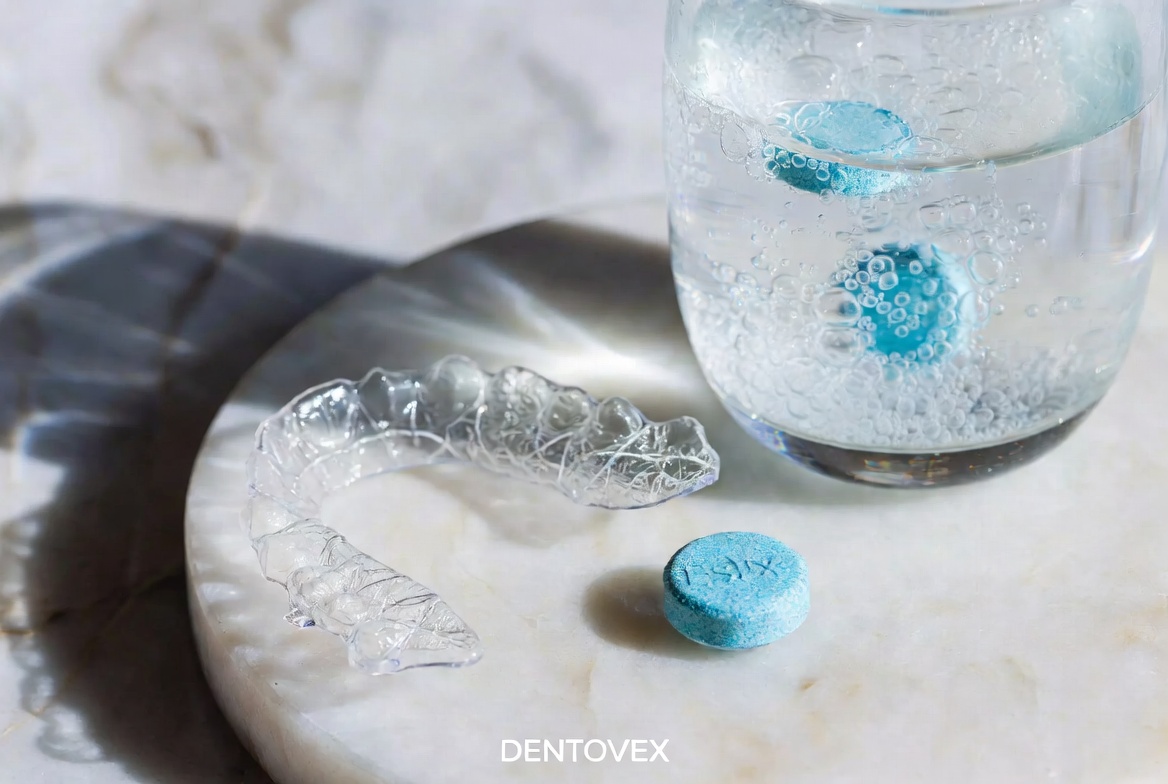
- Clear Essix (Vacuum-Formed) Retainers: These look like Invisalign trays. They are incredibly discreet and provide excellent coverage for the entire dental arch.
- Hawley Retainers: The “classic” retainer with a metal wire across the front and an acrylic base. They are robust, can last for years, and are great for allowing the bite to “settle” slightly.
- Bonded (Permanent) Retainers: A thin, braided wire glued to the back of your front teeth. It’s “set it and forget it,” which is perfect for patients worried about losing their removable trays.
3. How to Clean Your Retainers (Stop the Stink!)
If your retainers smell, it means you’re essentially wearing a bacterial culture in your mouth.
- The Daily Routine: Every morning, brush your retainers with a soft toothbrush and a mild, non-abrasive soap or toothpaste.
- The Deep Clean: Once a week, use a specialized retainer cleaning tablet (like Retainer Brite) to lift stains and kill bacteria that brushing alone can’t reach.
- The Don’ts: Never put your retainers in boiling water or the dishwasher it will warp the plastic. If it’s warped, it won’t fit, and if it doesn’t fit, your teeth will shift.
4. The 2026 Rule: Retention is Forever
If you take away only one thing from this guide, let it be this: There is no such thing as “graduating” from your retainer.
In 2026, we don’t suggest wearing them for just a year. We suggest a “Double-Lock” strategy:
- Full-time wear (22+ hours/day): For the first 3-6 months after treatment.
- Nighttime wear (every night): For the next 12 months.
- The “Lifetime” phase: Every other night (or at least 3-4 nights a week) for the rest of your life. It’s a small price to pay to protect a smile that will last you for decades.
Your Smile, Your Responsibility
Your retainer is the guardian of your orthodontic investment. It doesn’t require a lot of time, but it requires consistency. If you ever feel your retainer becoming “tight” when you put it on at night, take it as a warning sign your teeth are trying to move. Wear it an extra few hours, and if the tightness persists, call your orthodontist immediately. Your future self will thank you for the extra effort you’re putting in today.
No responses yet