
The Return of the Crooked Smile
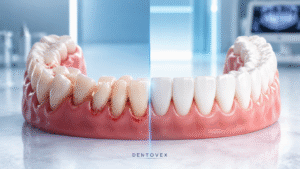
You spent years wearing metal braces as a teenager. You endured the adjustments, the food restrictions, and the day you finally saw that perfect, straight smile in the mirror felt like a victory. But now, 10 or 15 years later, you notice something unsettling: a slight overlap in your bottom front teeth, or a small gap that wasn’t there before.
You are experiencing orthodontic relapse, and you are not alone.
Studies suggest that a significant percentage of orthodontic patients experience some degree of dental shifting later in life. Whether it’s a minor aesthetic concern or a significant change in your bite, the realization that your investment is “undoing itself” can be frustrating.
At Dentovex, we specialize in the science of dental stability. In this comprehensive guide, we explore why teeth move after a decade, the physiological factors behind relapse, and the modern, discreet solutions available in 2026 to fix it without going through years of metal braces again.
1. The Biology of Movement: Why Do Teeth Shift?
It’s a common misconception that teeth are “set” in bone like cement. In reality, teeth are part of a dynamic biological system that is constantly changing.
A. The Memory of the Periodontal Ligament
Teeth are connected to the jawbone by the periodontal ligament—a network of living fibers. These fibers have “elastic memory.” Even years after treatment, they retain a slight tendency to pull the teeth back toward their original, pre-braces position.
B. Late-Stage Lower Incisor Crowding
As we age, our jawbone naturally undergoes subtle changes. The lower jaw tends to narrow and move slightly forward over time. This physiological process, known as late-stage crowding, happens to almost everyone, regardless of whether they ever had braces.
C. The Retainer Factor (The Usual Suspect)
The #1 cause of major relapse is the discontinuation of retainer wear. Many patients were told in the 90s or early 2000s that they only needed to wear retainers for a few years. We now know this is incorrect. Teeth require lifelong retention to stay perfectly in place.
2. Common Types of Orthodontic Relapse
Relapse isn’t always a full return to the original state. It often manifests in specific ways:
- Crowding of the Lower Front Teeth: Usually the first sign of relapse. The teeth begin to rotate or overlap.
- The Return of a Diastema (Gap): If you originally had a large gap between your two front teeth, that space is biologically “determined” to try and reopen.
- Bite Changes: You may feel that your upper and lower teeth no longer “fit” together comfortably when you chew.
3. The 2026 Solutions: How to Fix Relapse
The good news? Fixing a relapse is often faster and much more discreet than your original treatment.
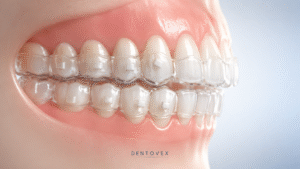
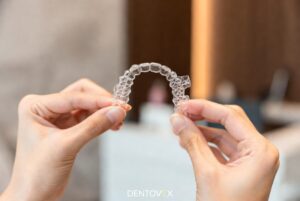
Option A: Clear Aligner Express (The Gold Standard)
For minor to moderate relapse, systems like Invisalign or ClearCorrect offer “Express” or “Lite” packages.
- Timeline: 3 to 6 months.
- Benefit: Virtually invisible, removable for social events, and highly precise.
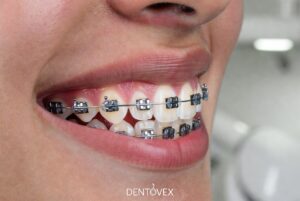
Option B: Limited Braces (Social Six)
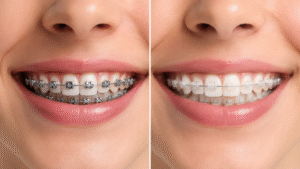
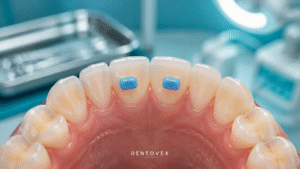
If only the front teeth have moved, your orthodontist might suggest “limited” braces—brackets placed only on the front 6-8 teeth.
- Timeline: 4 to 9 months.
- Benefit: Highly cost-effective and faster than full-arch treatment.
Option C: Lingual Braces (Behind the Teeth)
For professionals who want zero visibility, lingual braces (like Incognito) are placed on the back of the teeth.
- Benefit: Totally hidden from view, even while speaking or smiling.
4. Retreatment Cost: Is it Worth the Investment?
The cost of fixing a relapse is generally lower than a full initial treatment, provided you catch it early.
| Treatment Type | Estimated Cost (2026) | Duration |
| Clear Aligner Express | $1,800 – $3,500 | 3–6 Months |
| Limited Fixed Braces | $2,000 – $4,000 | 6–9 Months |
| Full Retreatment | $4,500 – $7,000 | 12+ Months |
Note: Costs vary by geographic location and the complexity of the bite correction.
5. Prevention: The “Never Again” Strategy
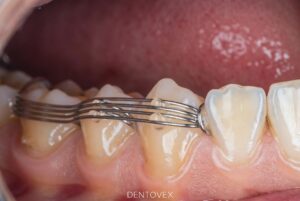
Once you have fixed your relapse, you must ensure it never happens again. The 2026 standard for retention is the “Double-Lock” method:
- Permanent Bonded Retainer: A thin wire glued to the back of the front teeth. It’s “set it and forget it” protection.
- Clear Removable Retainers (Essix): Worn at least 3-5 nights a week over the permanent wire for maximum stability.
Conclusion: Your Second Chance at Perfection
Orthodontic relapse is a biological reality, but it doesn’t have to be your permanent reality. With modern advancements, correcting shifted teeth is more comfortable and faster than ever before. Don’t let years of dental shifting undo the investment you made in your youth.
If you notice your teeth moving, schedule a consultation today. Catching relapse early can mean the difference between a 3-month “touch-up” and a 2-year full treatment.
No responses yet